Installing a radiator yourself can be rewarding, but it is not a task to approach casually. From selecting reliable tools to understanding safety risks hidden behind walls and pipework, smart preparation makes the difference between a smooth upgrade and avoidable damage to your heating system.
Why DIY Radiator Installation Demands Careful Thinking
Installing a radiator without professional support places full responsibility on the homeowner. While the task appears straightforward, it combines plumbing accuracy, structural fixing, and heat management. Early planning—especially identifying the best place to install a radiator sets the foundation for safe installation and balanced heat output throughout the room.
Knowing When DIY Is Appropriate
DIY installation is best suited to straightforward replacements or new fittings where pipework access is clear and wall structures are sound. Complex systems or unfamiliar layouts increase risk.
Understanding the Commitment Involved
Beyond physical effort, installation requires patience. Rushing steps such as alignment or sealing often leads to leaks or inefficient heating later.
Tools That Turn a Complex Task Into a Controlled Process
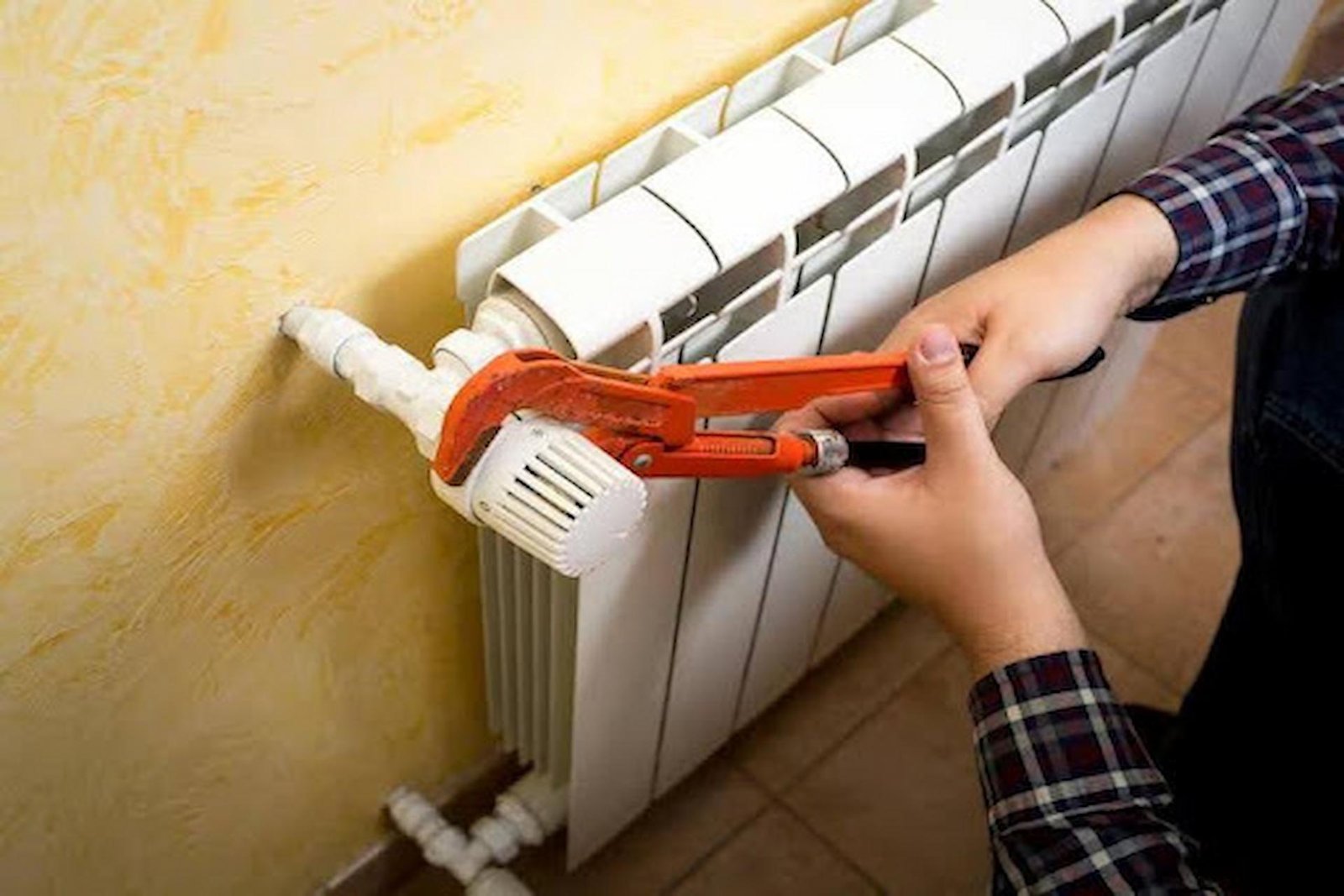
The right tools do more than speed up installation—they protect components, prevent damage, and improve accuracy. Using unsuitable equipment increases the chance of stripped threads, uneven mounting, or pressure loss once the system is live.
Everyday Tools With a Specific Purpose
Adjustable spanners, pipe cutters, and spirit levels ensure fittings are secure and radiators sit perfectly horizontal, supporting even water flow.
Supporting Equipment That Prevents Mess and Damage
Buckets, dust sheets, and towels help manage residual water during system drainage, protecting floors and walls from moisture exposure.
Safety Risks Hidden Behind a Simple Installation
Radiator installation involves hot water systems, internal pressure, and wall fixings that must support long-term load. Ignoring safety considerations can compromise both personal safety and household infrastructure.
Managing Heat and Water Pressure
Systems should be fully cooled and depressurised before work begins. Sudden pressure release is a common cause of injury and water damage.
Structural Strength and Fixing Security
Radiators exert constant weight. Correct anchors matched to wall material prevent gradual loosening caused by thermal expansion.
Placement Decisions That Shape Heating Performance
Where a radiator sits affects how heat circulates through a space. Poor placement leads to cold pockets and uneven warmth, even if the radiator itself functions correctly.
Supporting Natural Air Movement
Allowing clear airflow above and below the radiator encourages convection, helping heat spread evenly rather than remaining concentrated.
Avoiding Heat Traps and Inefficiencies
Thoughtful positioning ensures heat is not blocked by fixed obstacles, reinforcing the importance of selecting the best place to install a radiator before installation begins.
Personal and Property Safety During Installation
Safety is not limited to the heating system itself. Personal protection and careful handling reduce risk during lifting, drilling, and valve adjustment.
Protective Equipment That Matters
Gloves, eye protection, and suitable footwear guard against sharp edges, falling debris, and unexpected water discharge.
System Checks Before Restarting
Slow repressurisation allows installers to spot leaks early, preventing long-term damage to pipework and walls.
Demystifying Common Heating Terms
Understanding basic heating terminology improves accuracy during installation and avoids confusion when adjusting valves or bleeding air.
Key Terms Explained Simply
Bleeding removes trapped air, flow and return pipes manage water direction, and balancing ensures consistent heat distribution across all radiators.
Practical Takeaways for a Safer DIY Installation
- Measure and mark fixing points carefully before drilling
- Drain the system completely before disconnecting fittings
- Match wall fixings precisely to wall type and radiator weight
- Refill the system gradually while checking joints
- Bleed radiators methodically to restore efficiency
These steps reduce common installation errors and protect long-term system performance.
Closing Perspective: Doing the Job Right the First Time
Installing a radiator yourself is not about speed—it is about control, safety, and informed decisions. When tools are chosen carefully, risks are understood, and placement is planned thoughtfully, DIY installation becomes a practical option rather than a gamble. Paying close attention to structure, pressure, and airflow helps avoid costly corrections later. Most importantly, taking time to confirm the best place to install a radiator ensures your heating system performs efficiently, supports comfort, and delivers lasting value from the effort invested.