
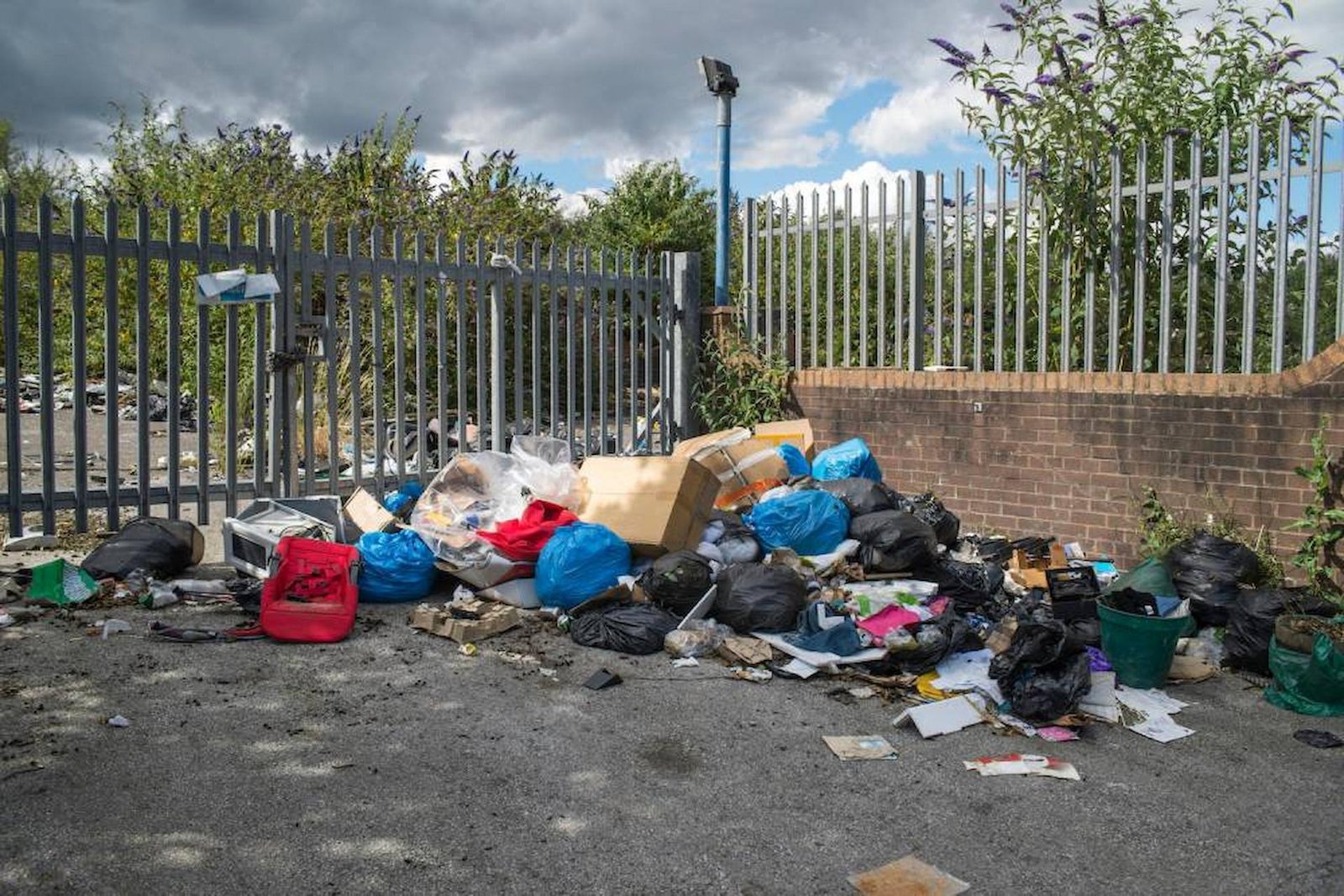
Fly tipping is a growing problem across Windsor and wider West London. Piles of dumped rubbish not only look unpleasant but can also create serious legal and environmental risks. Many residents and property owners are unsure what to do when waste appears on their land or nearby streets. Acting without the right knowledge can lead to fines or penalties.
This guide explains the correct and lawful way to deal with fly-tipped waste. It focuses on responsibility, safety, and compliance, while keeping the language clear and practical. If you are searching for How to Get Rid of Fly Tip Waste in West London Without Penalties, this article sets out the steps you need to follow with confidence.
Understanding Fly Tipping in Windsor and West London
Fly tip removal Windsor means dumping waste illegally on land or roads without permission. This can happen on private driveways, empty plots, alleyways, or public spaces. In Windsor and surrounding areas, councils treat fly tipping as a serious offence.
Waste can include household rubbish, old furniture, building materials, or garden waste. Even small amounts can cause problems if left unattended. Local authorities may investigate and take action if waste is not removed correctly.
Who Is Responsible for Fly-Tipped Waste?
Responsibility depends on where the waste is found.
- Waste on public land is usually handled by the local council
- Waste on private land is the landowner’s responsibility
- Businesses are responsible for waste on their premises
If rubbish is dumped on your property, ignoring it can cause issues. Councils may issue notices requiring removal within a set time.
Why You Should Not Remove Fly Tip Waste Yourself
Many people try to clear fly-tipped waste quickly. However, this can lead to problems if done incorrectly.
Key risks include:
- Handling hazardous items without protection
- Mixing waste types incorrectly
- Using unlicensed disposal methods
- Losing evidence that could identify offenders
Removing waste without proper records can also make it harder to prove you were not responsible for dumping it.
Legal Consequences of Fly Tipping
Fly tipping laws in England are strict. Fines can be high, and in serious cases, prosecution may follow.
Potential penalties include:
- Fixed penalty notices
- Large fines issued by courts
- Cleanup costs
- Criminal records for severe offences
Following the correct process protects you from blame and financial loss.
Step-by-Step Guide to Dealing with Fly-Tipped Waste
Taking the right steps helps you stay within the law.
Step 1: Do Not Touch the Waste Immediately
Leave the waste where it is. This prevents injury and preserves evidence.
Step 2: Record the Details
Take clear photos from a safe distance. Note the location, time, and type of waste.
Step 3: Report the Incident
Contact your local council or authority. Many councils offer online reporting tools.
Step 4: Arrange Professional Removal
If the waste is on private land, use a licensed waste removal service. This ensures safe disposal and compliance.
Why Professional Fly Tip Removal Matters
Professional services understand legal duties and disposal rules. They handle waste safely and provide proof of removal.
Benefits include:
- Licensed waste handling
- Correct disposal at approved sites
- Safety equipment and trained staff
- Documentation for your records
This approach reduces risk and ensures peace of mind.
Fly Tip Removal in Windsor: What to Expect
Fly tip removal Windsor services typically start with an assessment. The team identifies the waste type and plans safe removal.
The process often includes:
- Waste inspection
- Sorting and safe loading
- Transport to authorised facilities
- Recycling where possible
- Site clean-up
Reputable providers also give waste transfer notes. These documents show that waste was handled legally.
Common Types of Fly-Tipped Waste
Fly tipping can involve many materials.
Frequently found items include:
- Old sofas and mattresses
- Black bin bags
- Bricks, rubble, and wood
- Electrical items
- Garden waste
Some waste may be hazardous. This includes chemicals, asbestos, or sharp materials. These items require specialist handling.
Environmental Impact of Fly Tipping
Illegal dumping harms the environment. It can pollute soil, block drains, and harm wildlife. It also encourages further dumping if left unattended.
Responsible fly tip removal helps:
- Protect local green spaces
- Reduce health risks
- Improve neighbourhood appearance
- Support recycling efforts
Prompt action benefits the whole community.
Preventing Future Fly Tipping
Prevention is as important as removal. Simple steps can reduce the risk.
Helpful measures include:
- Installing lighting or cameras
- Securing access points
- Displaying warning signs
- Reporting suspicious activity
Clear boundaries and visibility often discourage illegal dumping.
Choosing a Reliable Waste Removal Service
Not all waste carriers operate legally. Always check credentials before hiring.
Look for:
- Waste carrier licence
- Clear pricing
- Written confirmation of disposal
- Local experience
A professional approach protects you from liability.
Final Thoughts
Fly tipping is frustrating, but dealing with it the right way matters. Acting carefully protects you from penalties and ensures waste is removed responsibly. By following the correct steps and using licensed services, you stay compliant and help keep Windsor and West London clean.
If you are concerned about How to Get Rid of Fly Tip Waste in West London Without Penalties, this guide offers a clear and lawful path forward.