A heat pump that is the wrong size for a home can create ongoing comfort problems even when the equipment itself is new and high quality. Oversized units often short cycle, failing to run long enough to dehumidify the air or maintain steady temperatures. Undersized units struggle to keep up during extreme weather, running almost continuously while still leaving rooms too warm or too cold. In both cases, homeowners experience uneven comfort, higher energy use, and greater wear on the system.
Correct sizing is one of the most important factors in how well a heat pump performs over its lifetime. When the unit matches the actual heating and cooling load of the house, it runs in longer, more efficient cycles that deliver consistent temperatures and better humidity control. For homeowners evaluating options or dealing with comfort issues, professional energy-efficient heat pump service can help verify that the system is properly matched to the home and operating as intended.
Why Proper Sizing Matters More Than Many Homeowners Realize
Heat pumps move heat rather than generate it, which makes them sensitive to the balance between capacity and the home’s actual needs. An accurately sized system operates within its designed efficiency range for most of the season. When the size is off, the unit spends more time outside its optimal performance window.
Comfort suffers in noticeable ways. Rooms may feel clammy because the system does not run long enough to remove moisture. Temperature swings become more common as the unit turns on and off frequently or struggles to recover after setbacks. These issues often lead people to adjust the thermostat repeatedly, which further increases energy use and equipment stress.
Problems Caused by an Oversized Heat Pump
An oversized heat pump reaches the thermostat setting quickly and then shuts off. These short cycles prevent the system from completing a full dehumidification process, leaving indoor air feeling sticky even when the temperature reading looks correct. Frequent starts and stops also place extra strain on the compressor and electrical components, which can shorten equipment life.
In milder weather, the problem becomes more pronounced because the unit has far more capacity than needed. Homeowners may notice the system turning on and off every few minutes. This pattern wastes energy and reduces the overall efficiency that modern heat pumps are designed to deliver.
Problems Caused by an Undersized Heat Pump
An undersized unit faces the opposite challenge. During very hot or cold periods, it may run continuously without ever reaching the desired temperature. Rooms farthest from the indoor unit or those with greater exposure to outdoor conditions often feel uncomfortable. The constant operation increases energy consumption and accelerates wear on components.
In heating mode, an undersized heat pump may rely more heavily on backup electric resistance heat, which is significantly more expensive to operate. This can erase much of the efficiency advantage that led the homeowner to choose a heat pump in the first place.
How Professionals Determine the Right Size
Accurate sizing begins with a load calculation, most commonly performed using Manual J or a similar industry method. This process evaluates the home’s square footage, insulation levels, window types and orientation, air leakage, local climate data, and the number of occupants. It also considers the condition of existing ductwork when a ducted system is involved.
Simply replacing an old unit with one of the same nominal size is not reliable. Homes change over time through renovations, added insulation, or window upgrades. Climate data and equipment efficiency ratings have also improved. A fresh calculation provides a clearer picture of current needs and helps avoid repeating past sizing mistakes.
The Role of Ductwork and Distribution
Even a correctly sized heat pump can deliver poor comfort if the duct system is inadequate. Leaky, undersized, or poorly designed ducts prevent conditioned air from reaching rooms effectively. In ductless systems, the number and placement of indoor heads must match the layout and usage patterns of the home.
Addressing distribution issues alongside capacity ensures that the right amount of heating or cooling actually arrives where it is needed. In some cases, sealing ducts or adjusting airflow can improve comfort without changing the heat pump itself.
Signs That Sizing May Be Incorrect
Several symptoms suggest a possible sizing problem. Short cycling, inability to maintain set temperature during extreme weather, excessive humidity in summer, or unusually high energy bills relative to similar homes can all point to a mismatch. Frequent reliance on emergency or auxiliary heat in winter is another common indicator.
A professional evaluation that includes runtime data, temperature measurements across rooms, and a review of the original load calculation can confirm whether sizing is contributing to the issues.
Benefits of Correctly Sized Equipment
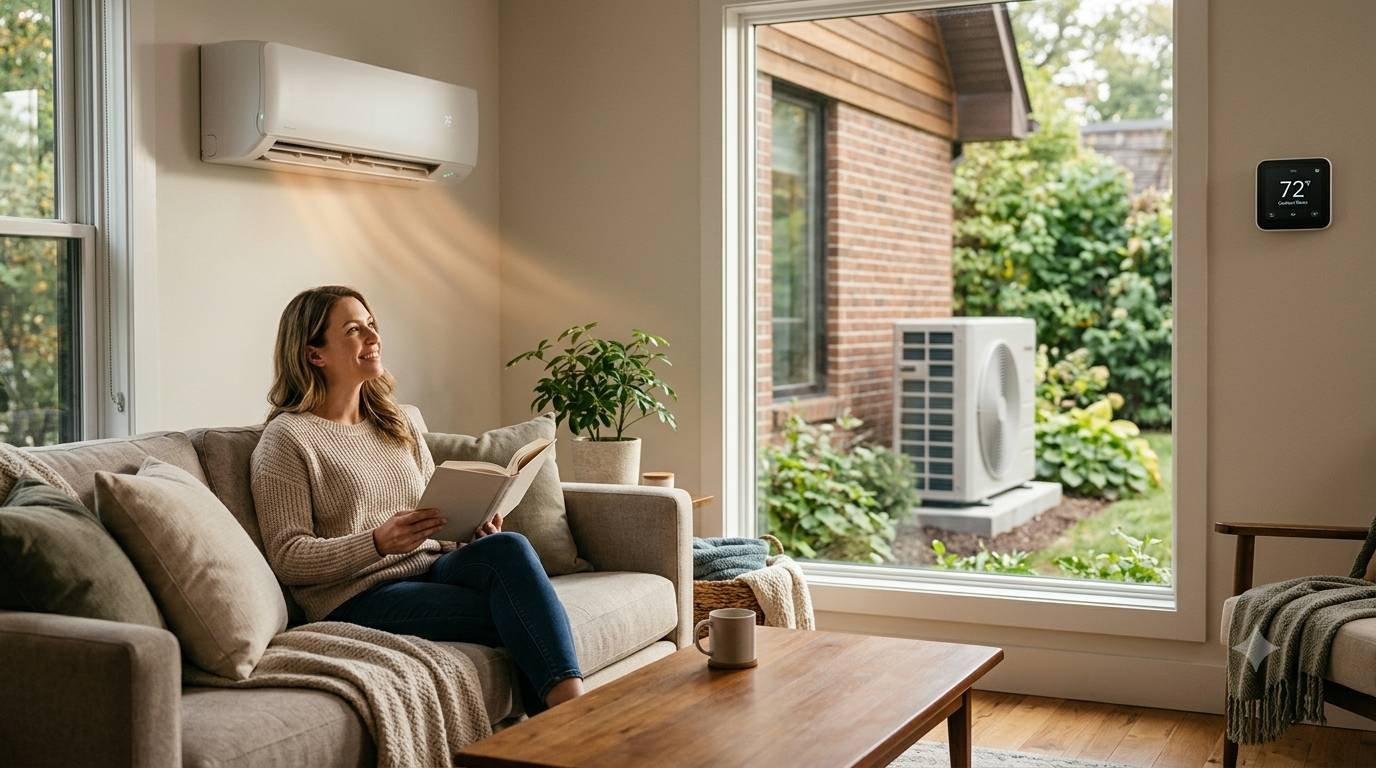
When a heat pump is properly sized, it runs in longer, steadier cycles that improve both comfort and efficiency. Humidity control is more effective, temperature variations between rooms decrease, and the system experiences less mechanical stress. Energy use typically drops because the unit operates closer to its rated efficiency for more of the year.
Correct sizing also supports longer equipment life and fewer unexpected repairs. Homeowners gain more predictable comfort and greater confidence that the system will perform well across different seasons.
Making Informed Decisions
Homeowners considering a new heat pump or troubleshooting an existing one benefit from asking about the load calculation process. Understanding how the size was determined and whether the home’s current condition was fully evaluated helps ensure the equipment will meet real-world needs. Pairing proper sizing with quality installation and regular maintenance further protects performance over time.
Conclusion
Heat pump sizing has a direct and lasting effect on home comfort, energy use, and system reliability. Both oversized and undersized units create problems that correct capacity can avoid. Accurate load calculations, attention to ductwork or indoor unit placement, and professional evaluation help match the system to the home’s actual needs. When sizing is done properly, heat pumps deliver the steady temperatures, humidity control, and efficiency they are designed to provide. Taking the time to get this step right leads to better daily comfort and more predictable operating costs for years to come.