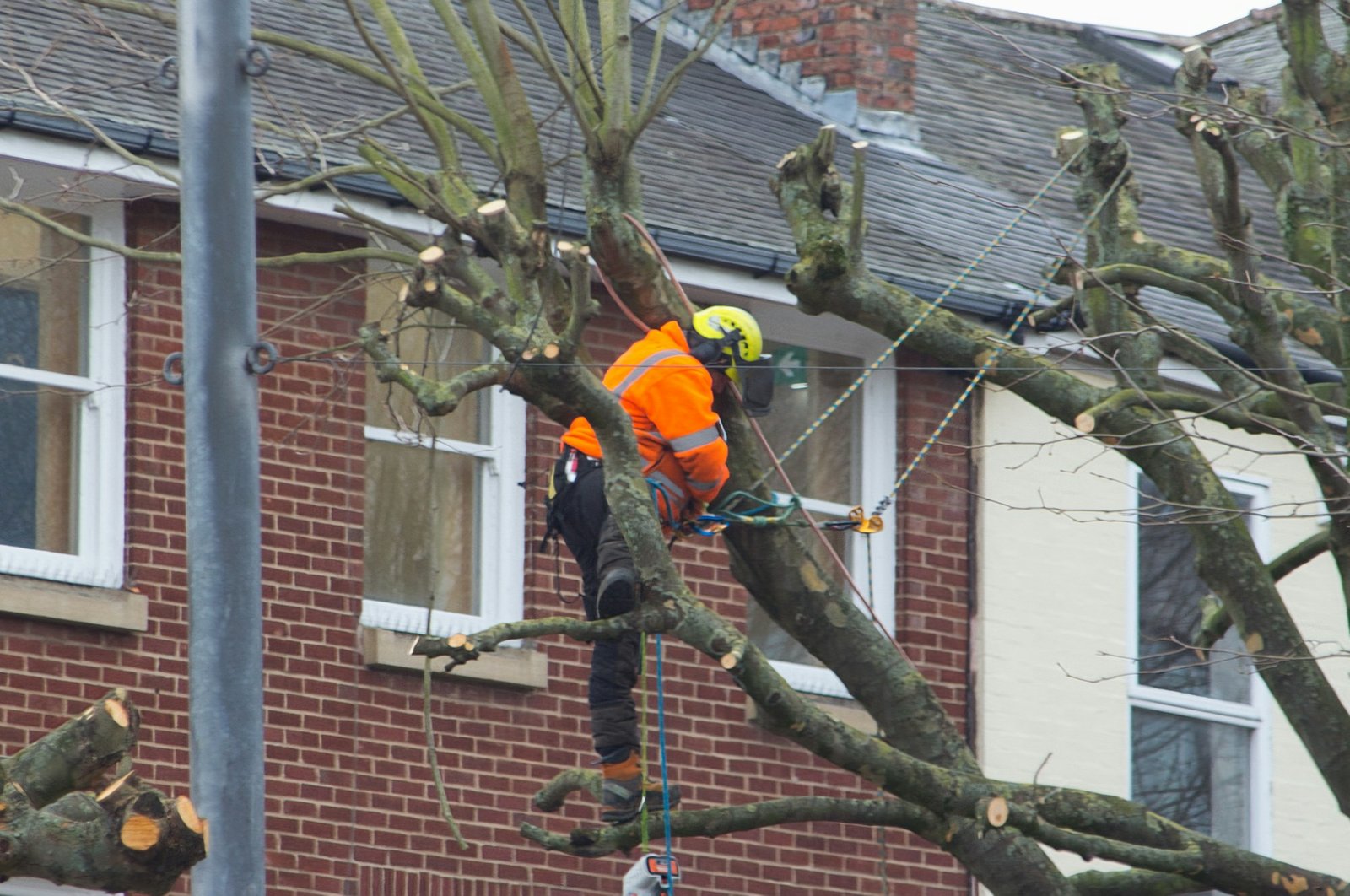
Trees contribute to a property’s natural beauty, provide shade and support local wildlife. However, when left unmanaged, excessive growth can create problems that affect both the home and surrounding garden. From restricted sunlight to damaged structures, overgrown trees may gradually interfere with everyday living and increase property maintenance requirements.
Consulting experienced tree surgeons in E1 can help homeowners understand the condition of their trees and identify appropriate maintenance solutions. Regular assessments allow potential problems to be addressed before they become more serious, helping preserve healthy trees while protecting nearby buildings and outdoor spaces.
How Overgrown Trees Affect Your Property
Large branches extending towards roofs, gutters and windows can cause problems during strong winds and severe weather. Falling branches may damage roofing materials, while accumulated leaves can block gutters and drainage systems. Continuous contact between branches and buildings can also contribute to external surface damage.
Seeking advice from tree surgeons in E1 can help homeowners identify unstable branches, excessive crown growth and potential structural concerns. Professional assessments are especially valuable when mature trees grow close to buildings, boundary walls or neighbouring properties.
Reducing Natural Light and Available Garden Space
Dense tree canopies can restrict sunlight from reaching windows, lawns and planting areas. Although shade is beneficial during warmer weather, excessive coverage may make indoor spaces darker and create unfavourable growing conditions for certain garden plants.
Uncontrolled growth can also limit usable outdoor space and interfere with pathways, seating areas and garden structures. Selective pruning can improve light penetration and accessibility while preserving the tree’s natural appearance and environmental benefits.
Understanding the Effects of Tree Roots
Tree roots naturally spread through soil in search of moisture and nutrients. In certain circumstances, they may disturb paving, affect damaged underground drains or contribute to soil movement. Properties built on shrinkable clay soils may be more vulnerable to tree-related subsidence.
However, the presence of a large tree does not automatically indicate structural damage. Homeowners noticing cracks, uneven paving or persistent drainage problems should arrange appropriate professional investigations before considering tree removal or root management.
Managing Tree Maintenance and Potential Repair Costs
Neglected trees may eventually require more extensive maintenance, particularly when branches become unstable or growth interferes with surrounding structures. Addressing problems early can help homeowners avoid unnecessary work and reduce the likelihood of damage-related expenses.
Tree maintenance costs depend on the tree’s size, condition, accessibility and the work required. Obtaining detailed quotations and confirming whether waste removal is included allows homeowners to establish a realistic maintenance budget.
Considering Trees During Home Improvement Projects
Overgrown trees can complicate home extensions, driveway installations and garden renovations. Large branches may restrict access for construction equipment, while extensive root systems can influence excavation requirements and foundation design.
Homeowners should arrange a tree assessment before beginning significant construction work near mature trees. Discussing tree protection measures with contractors can reduce construction disruption and prevent unnecessary damage to roots, trunks and surrounding vegetation.
Comparing Tree Pruning and Complete Removal
Managing an overgrown tree does not always require complete removal. Pruning and removal offer different solutions depending on the tree’s health, size, location and potential risks to surrounding structures.
Homeowners should consider the environmental benefits of retaining mature trees alongside safety concerns and maintenance requirements. Professional advice can help determine which option offers the most appropriate long-term solution.
Advantages and Limitations of Tree Pruning
Pruning can improve natural light, remove damaged branches and manage excessive growth while retaining the tree’s environmental benefits. Appropriate pruning also helps maintain a balanced appearance and improve access around the garden.
However, excessive or incorrect pruning may weaken a tree and encourage undesirable growth. Periodic maintenance may still be necessary, depending on the species and growing conditions.
Advantages and Limitations of Tree Removal
Complete removal may be appropriate when a tree is severely damaged, diseased or presents an unacceptable safety risk. It can also create additional garden space when alternative management options are unsuitable.
However, removal eliminates natural shade, wildlife habitats and established landscape features. Stump removal and changes in soil moisture conditions may also require additional consideration.
Understanding Planning Permission and Building Regulations
Trees protected by a Tree Preservation Order generally require local authority consent before pruning or removal. Additional notification requirements may apply to trees within conservation areas. Homeowners should check the tree’s protected status before arranging work.
GOV.UK
Building regulations may also be relevant when constructing extensions or foundations near existing trees. Consulting building control professionals and obtaining appropriate arboricultural advice can help ensure that construction plans account for surrounding vegetation and soil conditions.
Conclusion
Overgrown trees can affect property maintenance, garden usability, natural light and structural safety. Regular inspections and appropriate maintenance help homeowners manage excessive growth while preserving the benefits that healthy trees provide.
By considering pruning options, maintenance costs and legal responsibilities, homeowners can make informed decisions about tree management. Prioritising professional assessments and preventative care supports a safer, healthier and more attractive outdoor environment.