Double glazing can often be repaired, but repeated faults, failed seals, cracked panes and worn components may eventually make further work uneconomical. Knowing when to stop repairing helps protect comfort, security and energy performance. Here is how to assess the condition of your windows and make a confident replacement decision.
Double-glazed windows can remain useful for many years, yet no sealed unit or moving component lasts forever. Minor faults may be repairable, especially when the frame is sound and the problem affects only a handle, hinge or small section. However, repeated condensation, draughts, damaged glass and unreliable operation can indicate that repairs are no longer delivering lasting value. At that stage, replacement double glazing may be more practical than paying for one temporary fix after another. The key is to assess the whole window rather than focusing only on the latest visible fault before making an informed final decision today.
Repairable Faults Are Usually Isolated
Some double-glazing issues are still worth repairing when they involve only a single part, such as a handle, hinge, lock, or minor adjustment. Even a broken pane may not require full replacement if the frame is still solid and in good condition.
The key question is whether the repair will restore proper performance for a reasonable time. If the glass, seals, frame, and hardware are otherwise sound, a targeted fix can be cost-effective, though a professional should confirm whether the issue is isolated or part of wider wear.
Persistent Misting Suggests Seal Failure
Condensation between the panes is a clear sign the sealed unit has failed. Unlike surface moisture caused by humidity, internal misting means the insulating seal is broken.
Cleaning won’t fix it, and treatments won’t restore the seal. Replacing the glazed unit is usually the only effective solution, especially if multiple windows are affected and reaching the end of their lifespan.
Repeated Repairs Can Become Poor Value
One repair may be worthwhile, but repeated call-outs can end up costing more than replacement. Keep a record of what was fixed, how long it lasted, and whether the issue returned to spot patterns of decline.
If locks, hinges, seals and glazing units keep failing, the window may no longer be reliable. Ongoing repairs can delay the inevitable without improving comfort or security, so compare repair lifespan with the benefits of full replacement.
Draughts May Point to More Than a Small Gap
A minor draught may come from a worn seal or a window needing adjustment, but strong or recurring draughts often point to distorted frames, failed seals or poor closing pressure. Check that the window closes evenly and locks without force.
Look for gaps or damaged seals. If adjustments only help briefly, replacement double glazing may be a more reliable solution than repeated repairs.
Cracked or Shattered Glass Needs Prompt Attention
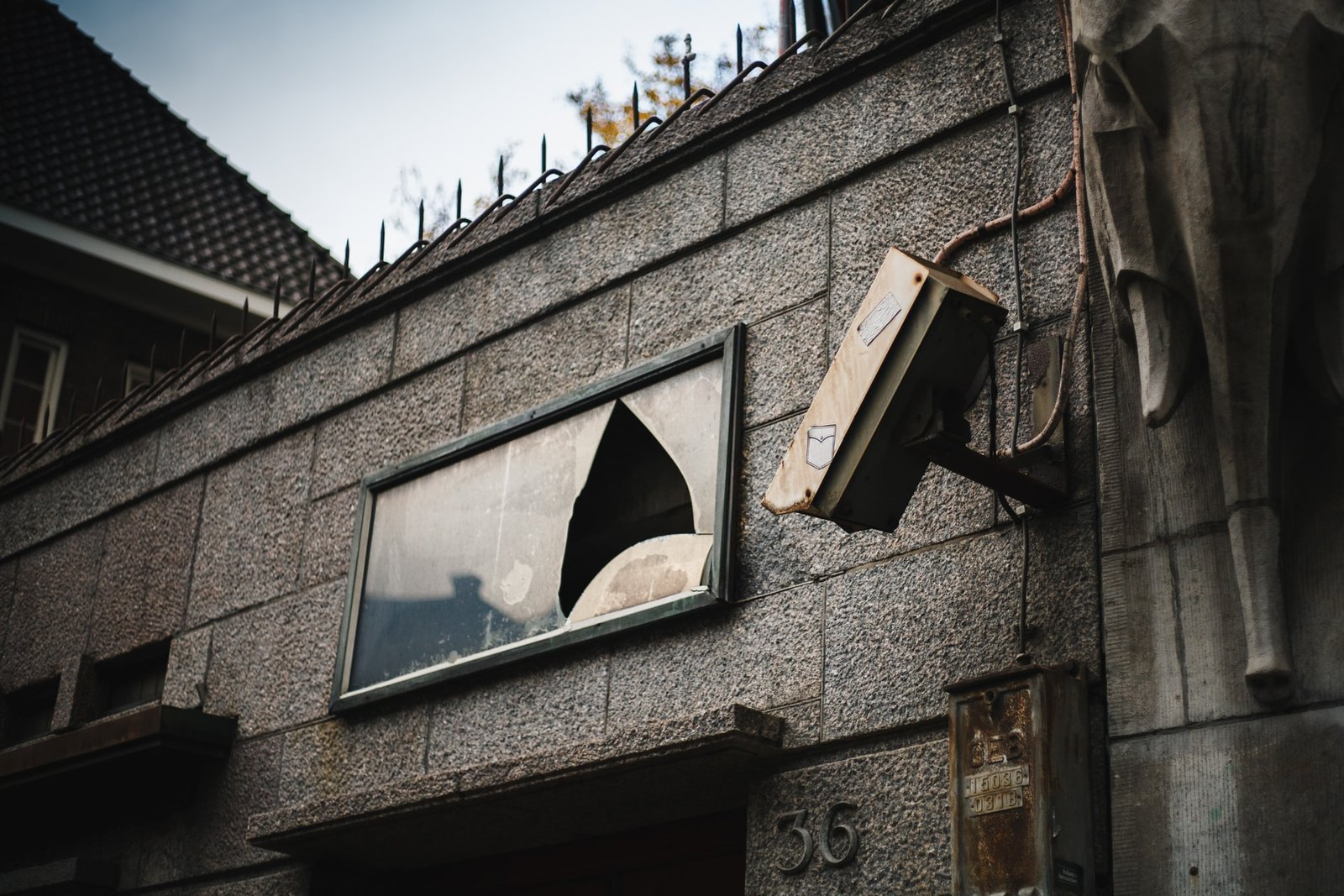
Cracked glass should never be treated as a cosmetic issue. It can weaken the unit, reduce security and let moisture in, with small cracks often spreading over time and shattered glass leaving the property exposed.
Check the surrounding frame as well. If it’s still sound, replacing just the glass may be enough. But if there’s distortion, faulty locks or general wear, a full replacement is often the better long-term option, with temporary boarding used if immediate replacement isn’t possible.
Difficult Operation Can Reveal Structural Wear
Windows that stick, drop, scrape or won’t close properly may have worn hinges, damaged handles or alignment issues. These can often be fixed early, but repeated adjustments are less effective if the frame is warped or the sash no longer fits correctly.
Forcing the window can worsen damage to locks and handles. Test it gently and see if the issue changes with weather. If it keeps becoming hard to secure, it needs professional assessment, as reliable operation is essential for security and ventilation.
Consider the Condition of the Entire Window
A decision should not be based on one symptom alone. Check the glass, seals, frame, locks, handles and hinges together as a full system. Repairs make sense when most parts are still in good condition.
Replacement is more justified when multiple issues appear at once, such as misting, draughts, loose fittings or poor closing. Water ingress or movement in the frame can also indicate deeper failure. A qualified glazier can confirm whether repair is still worthwhile or if replacement is the better option.
Compare Long-Term Benefits Rather Than Immediate Cost
The cheapest quotation is not always the best long-term option. A low-cost repair may help if it fixes a clear issue, but it’s poor value if further failures are likely. Ask what’s included, what isn’t being replaced, and how long the repair should last.
Then compare this with replacement costs and expected lifespan. Consider comfort, security, appearance, and the hassle of repeat repairs, not just the upfront price. A clear assessment helps you decide whether the window is still worth repairing or due for replacement.
Know When Professional Replacement Is Sensible
Replacement is usually worth serious consideration when sealed units fail, glass is damaged, windows won’t secure properly, draughts persist, or several components are wearing out together—especially if repairs no longer last or the same issues keep returning.
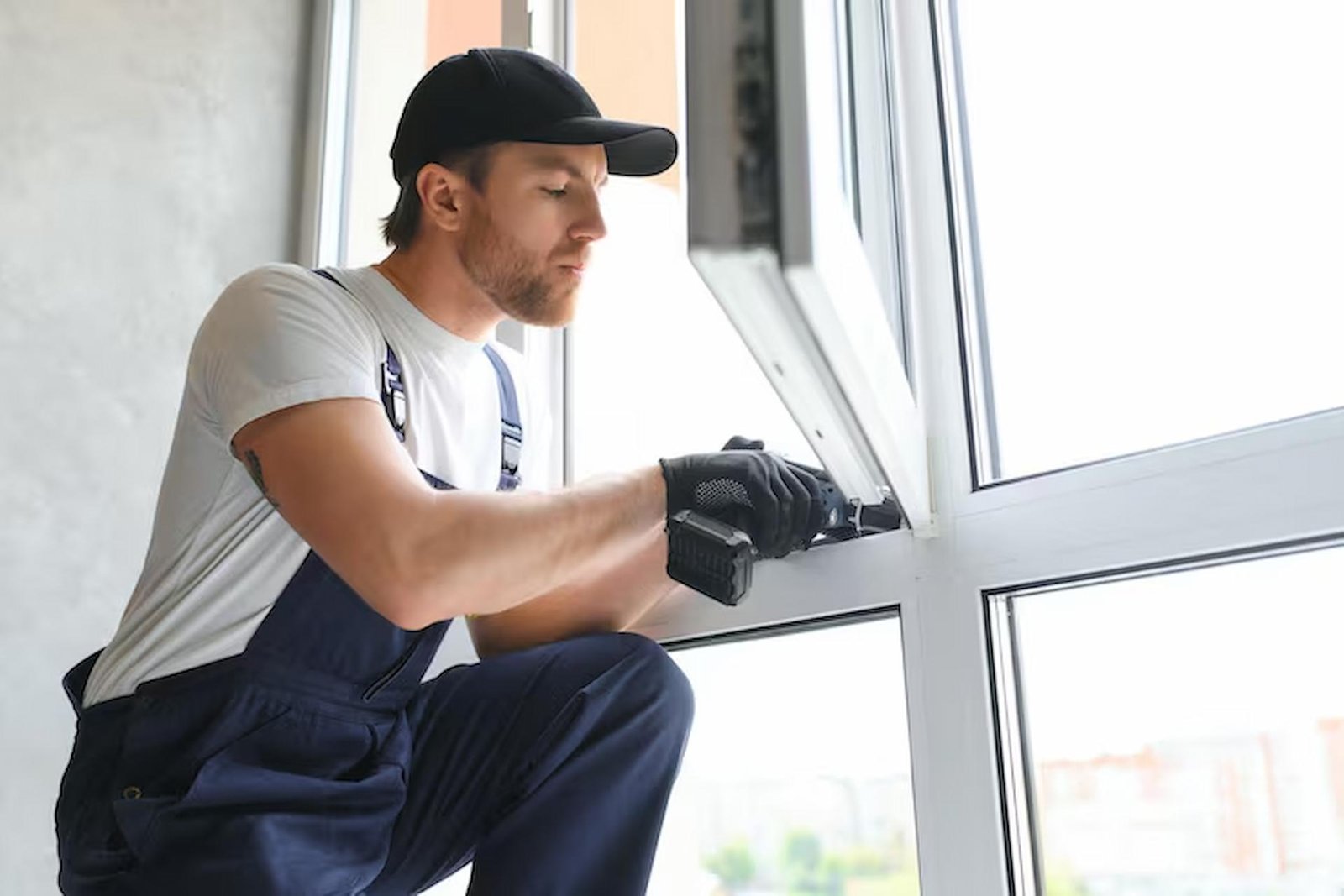
Professional measurement ensures a made-to-fit replacement that restores security, sealing and finish, and acting early can reduce disruption before the window fully fails.
Wrapping Up
Knowing when to stop repairing double glazing comes down to looking beyond the latest fault. An isolated issue with a handle, hinge, lock or single glazed unit may still be worth fixing when the rest of the window remains sound. However, recurring misting, draughts, cracked glass, distorted frames and repeated hardware failures suggest repairs are becoming poor value.
Review the age and condition of the window, consider past repair costs and how long any fix is likely to last. When several problems appear together or repairs no longer hold, replacement double glazing is often the safer, more reliable long-term option.